Dimensionalized
https://n3xta.com/241125_detailed_proposal.html
Dimensionalized
Emotions and Keywords: Anxiety, Control, Projection, Self, College Admissions
I am not a whole person but a collage of materials. I am numbers, text, charts, and application components, and my soul is nothing more than the sum of these fragments.
1. Main Inspirations / Elements
1.1. Dashboards
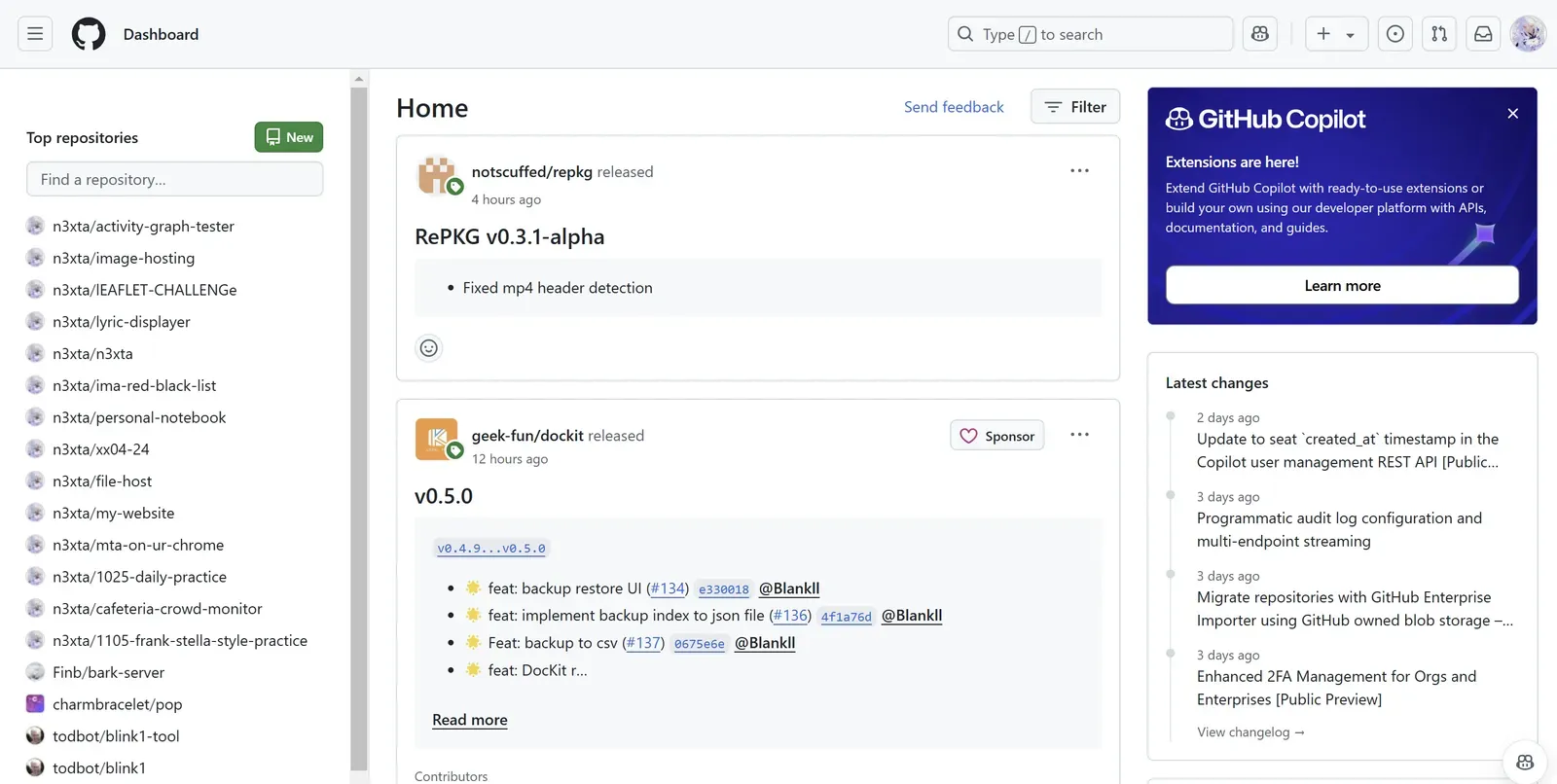
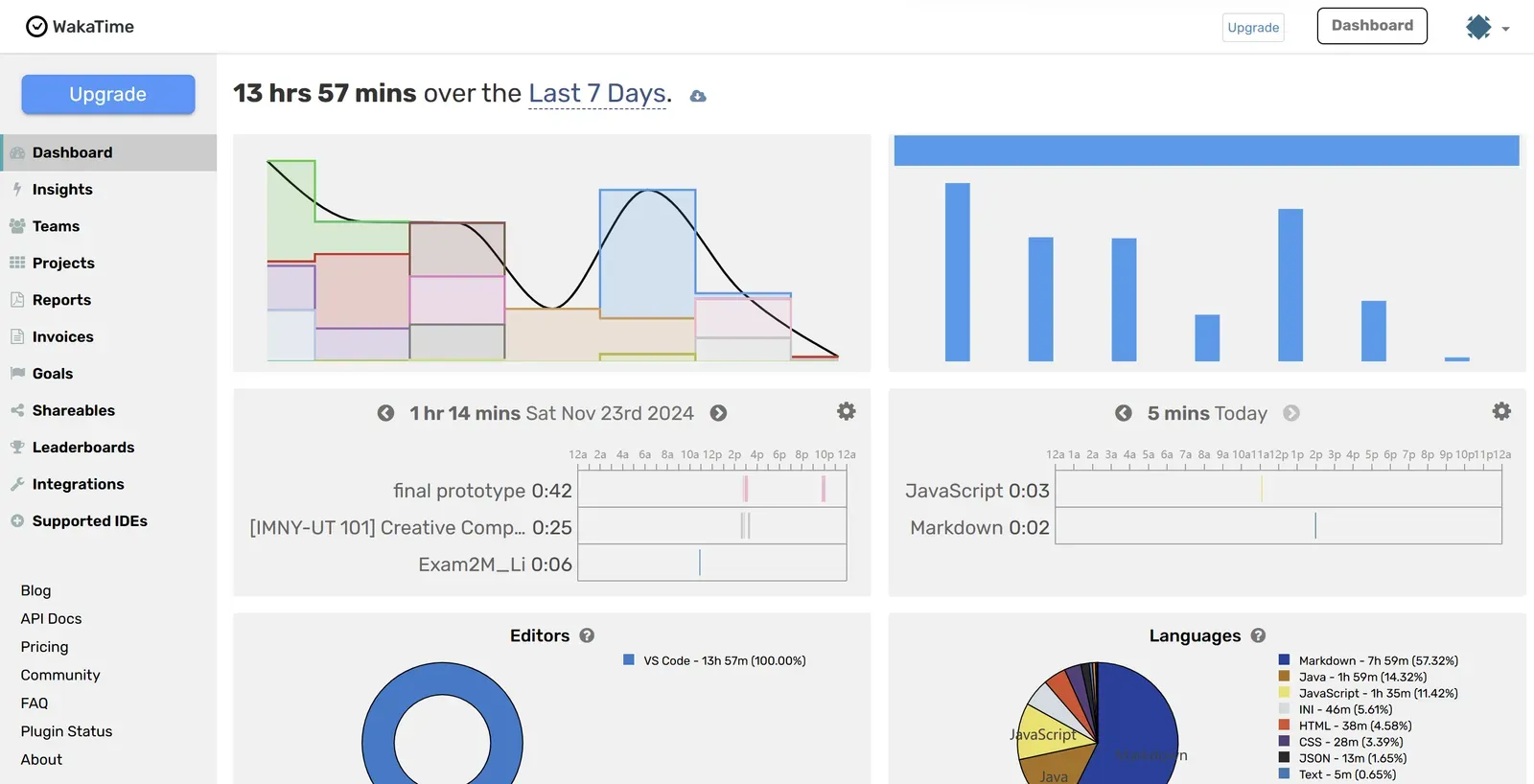
Here are two dashboards I frequently encounter (GitHub and Wakatime):
- Charts, numbers, color blocks, warning lights—these elements feel cold, rational, even indifferent. Is the dashboard a symbol of order or the opposition to chaos?
- Dashboards represent control: monitoring through data, explaining trends via visuals. This sense of control embodies the subtle relationship between humans and technology.
- Data and technology are cold to the touch, but behind them lie human emotions—anxiety, anticipation, and the need for accomplishment.
This interaction fascinates me—who is in control? Are the data points on the dashboard also recording us?
Is the dashboard a mirror?
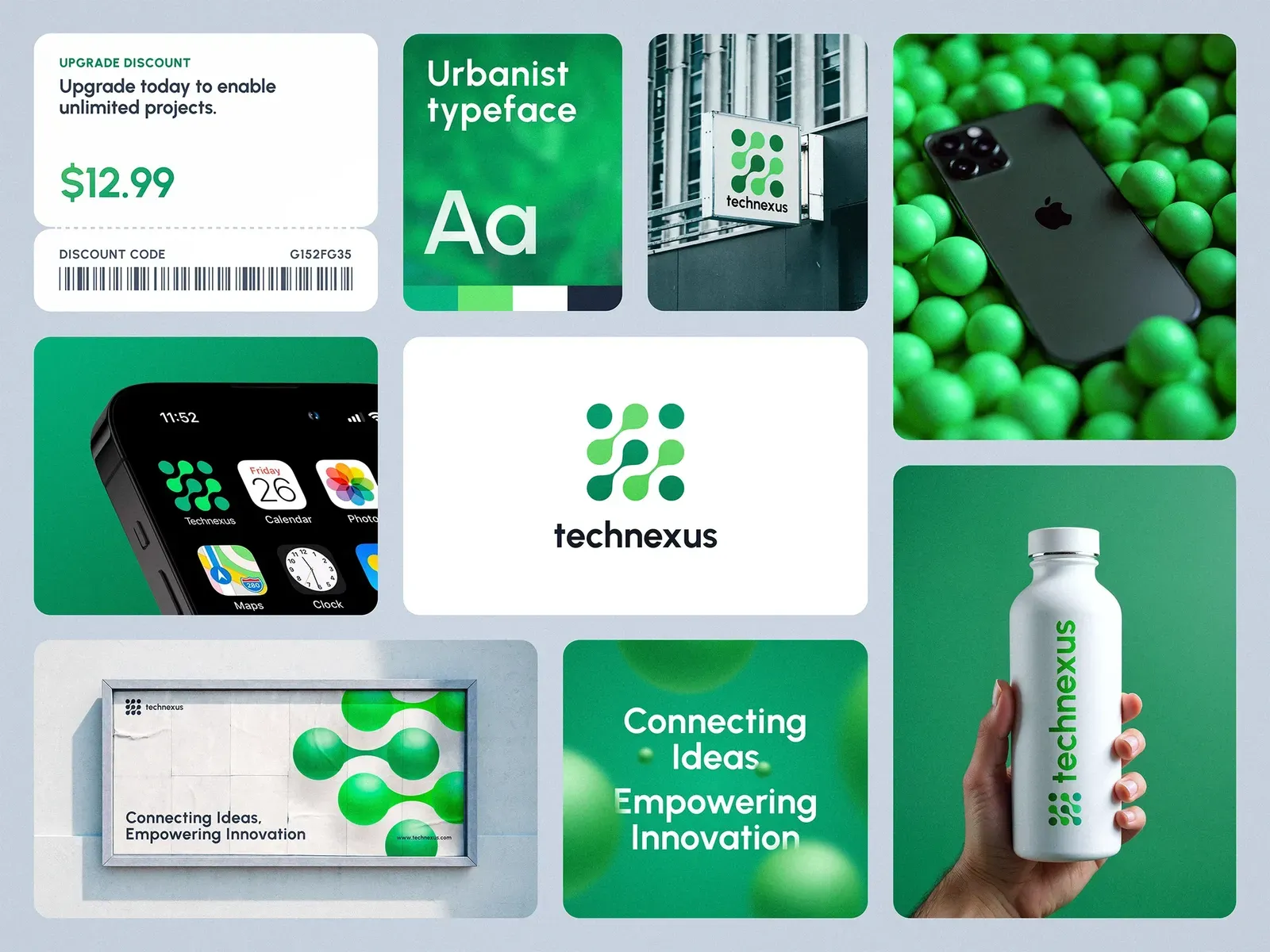
1.2. Bento Grids
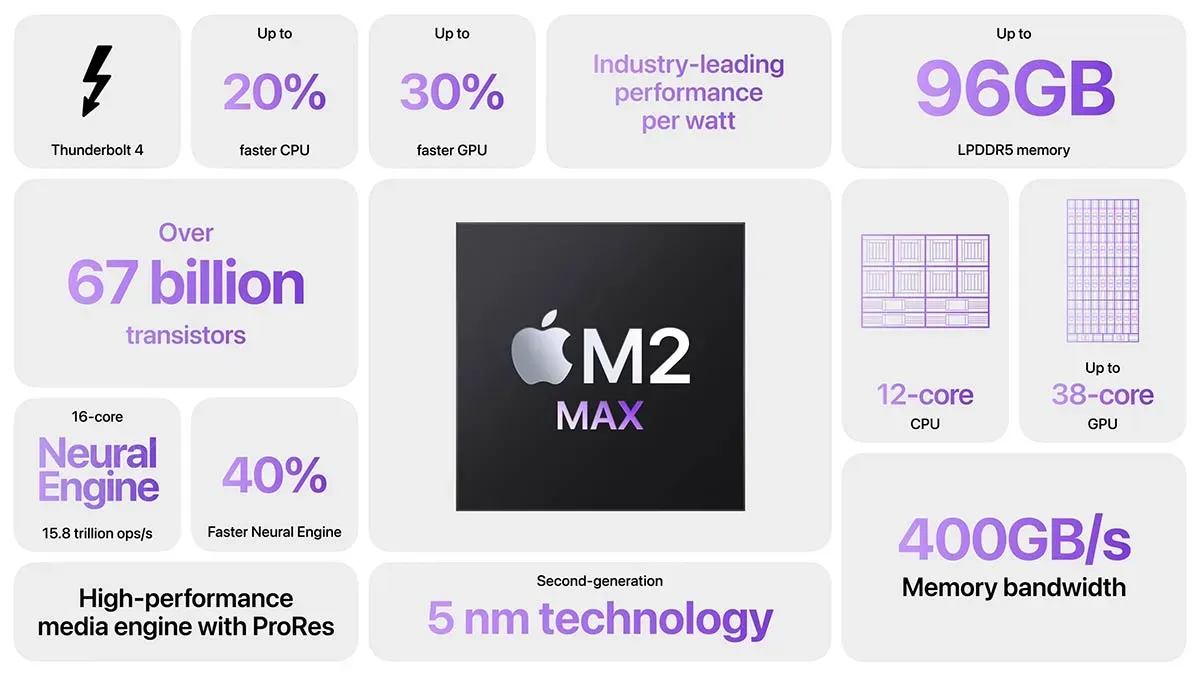
Bento grids embody a tight, orderly aesthetic, striving for rational structure.
- Each block feels like a microcosm where content competes for attention.
- Bento grids deliver information at a glance, minimizing page switches or scrolling. They cater to our desire for quick access to key points.
- But when overloaded, they create decision paralysis. Attention has its limits, and the compact nature of grids undermines hierarchy, forcing equal weight on everything, leading to analysis fatigue.
Bento grids are born of information anxiety.
They reflect our dependency on information and fear of missing out. This layout rebels against our limited attention spans while exposing our obsession with time efficiency. It reminds me of FOMO, a world where information must always be at hand, even if we can’t fully digest it.
I think of bento boxes: once a delicate way to organize food, where every section holds its charm. But overfilled grids lose the relationship between main courses and sides. This “filling” philosophy is rooted in a fear of space—designers fear blank areas, users fear emptiness, and everything becomes crowded.
1.3. Filters
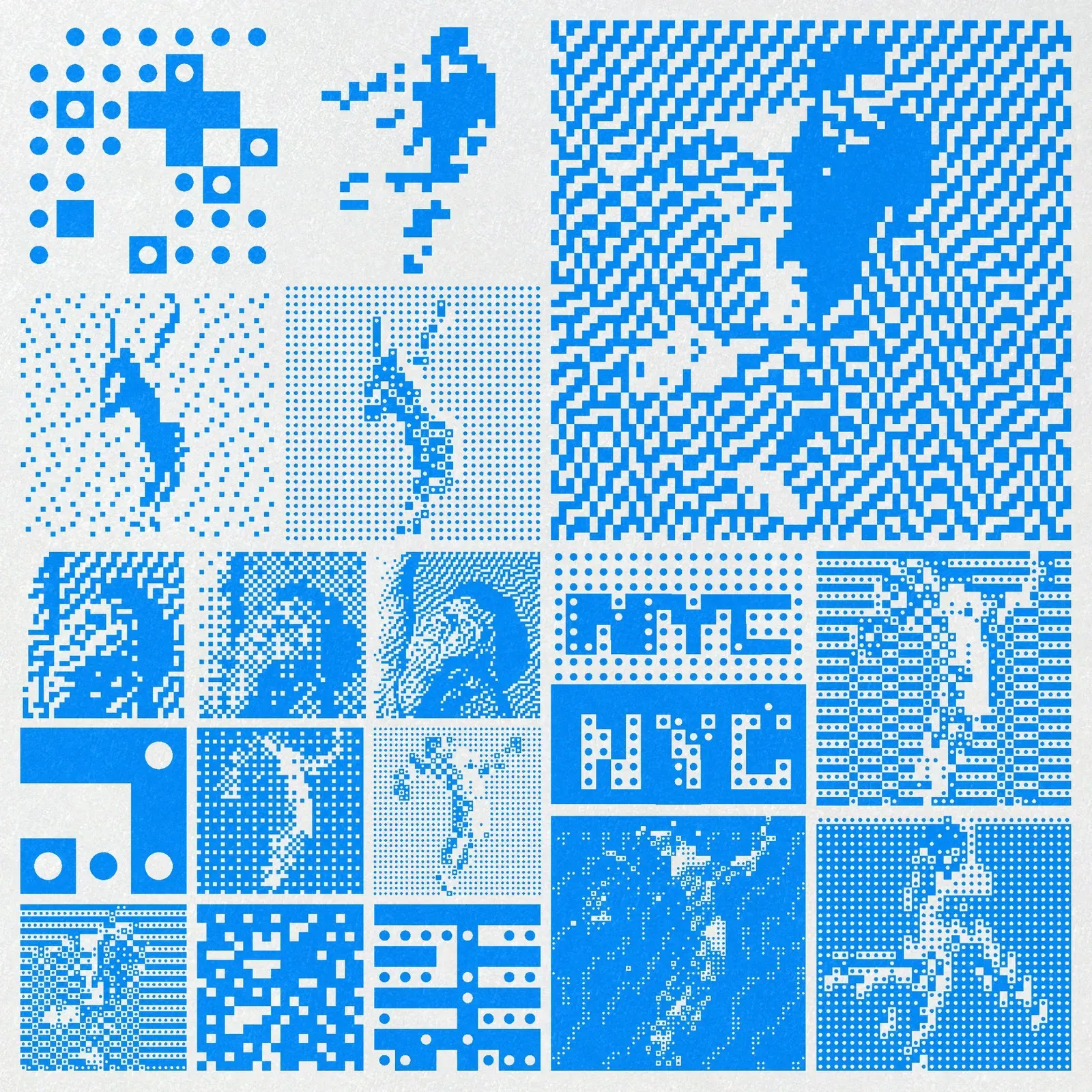
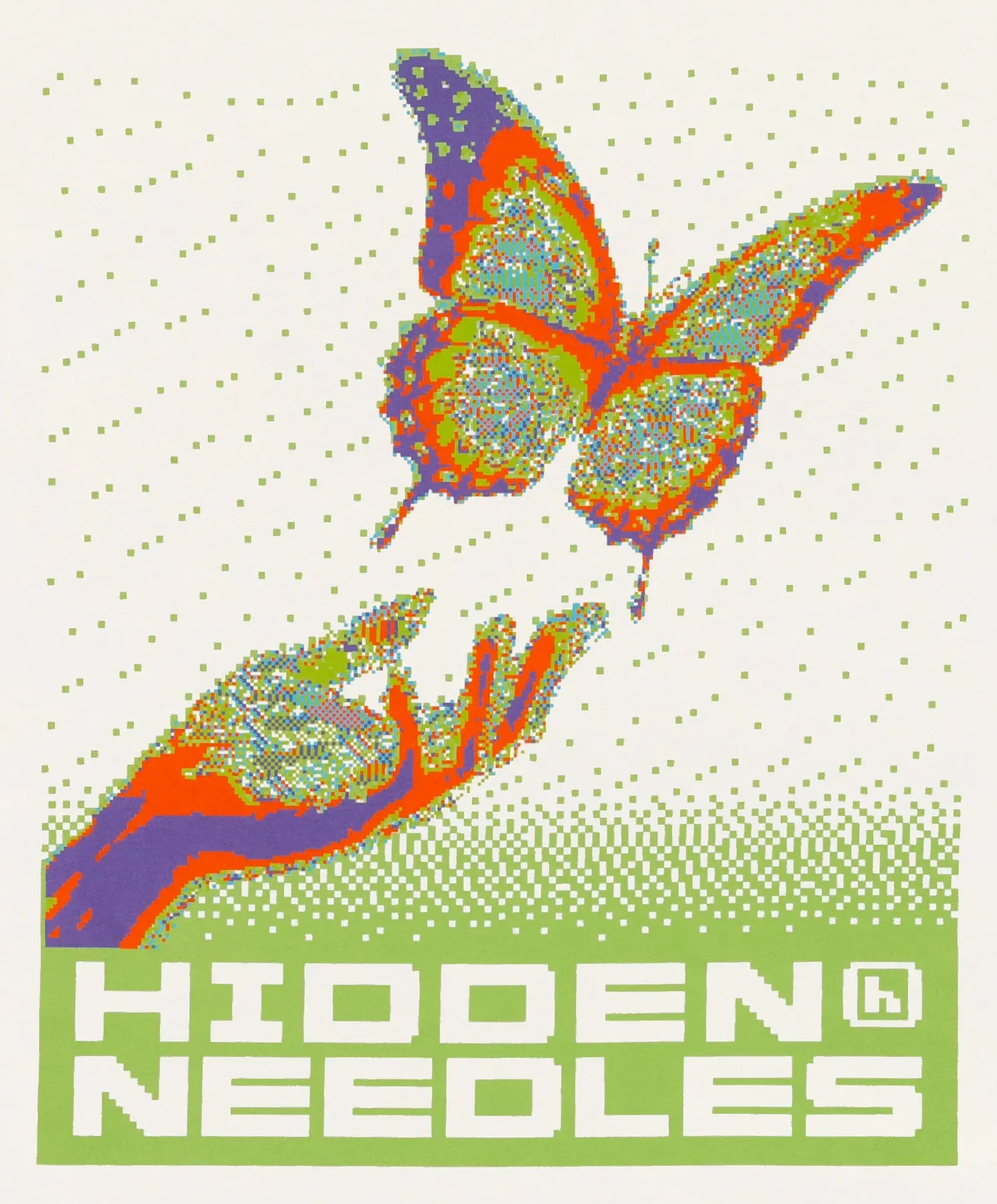
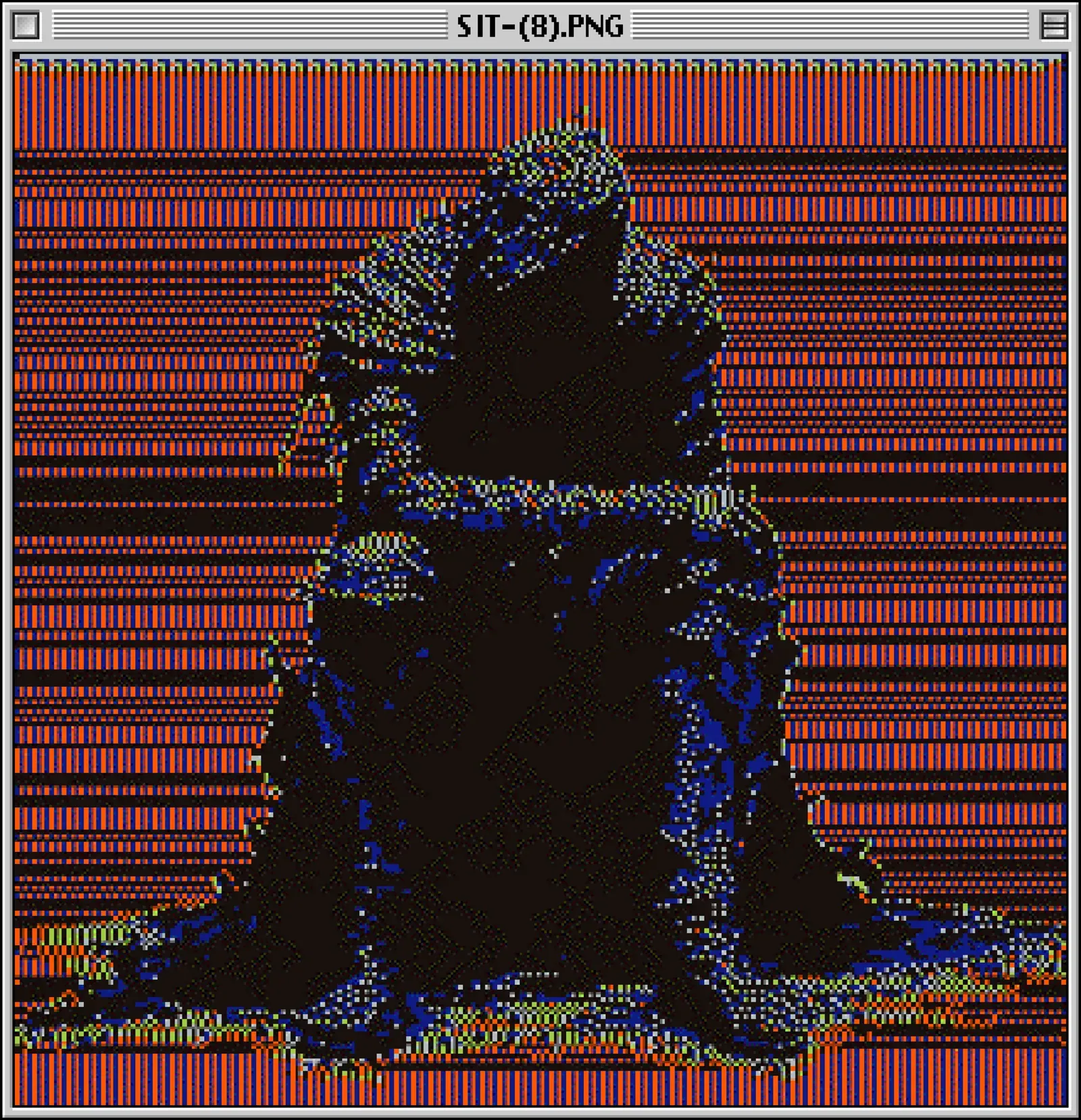
This part is simple: I love pixel aesthetics. In an era obsessed with high definition, intentionally lowering resolution creates an anti-technological tension. I enjoy challenging the dominant narrative of aesthetics.
Implementation: Pixel by Pixel Guide
Aesthetic Reference:

2. Core Message
A2C High Achievers was one of my alternate title ideas, but it seems so straightforward. (A2C is a subreddit that I highly rely on during the application season for emotional resonance, it’s short for Applying to College)

I’ll include snippets from my diary (locked Twitter account)—not just these, but many more. They’ll likely appear in Chinese with English translations attached.

I am trying to measure the weight of my soul with the numbers from the admissions billboard.
Reading this, I feel an immediate heaviness, as though these numbers are seeping from the page into the air, surrounding me.
“If you strip away the numbers and labels, what remains of you?”

Every part of me has become a piece of the application.
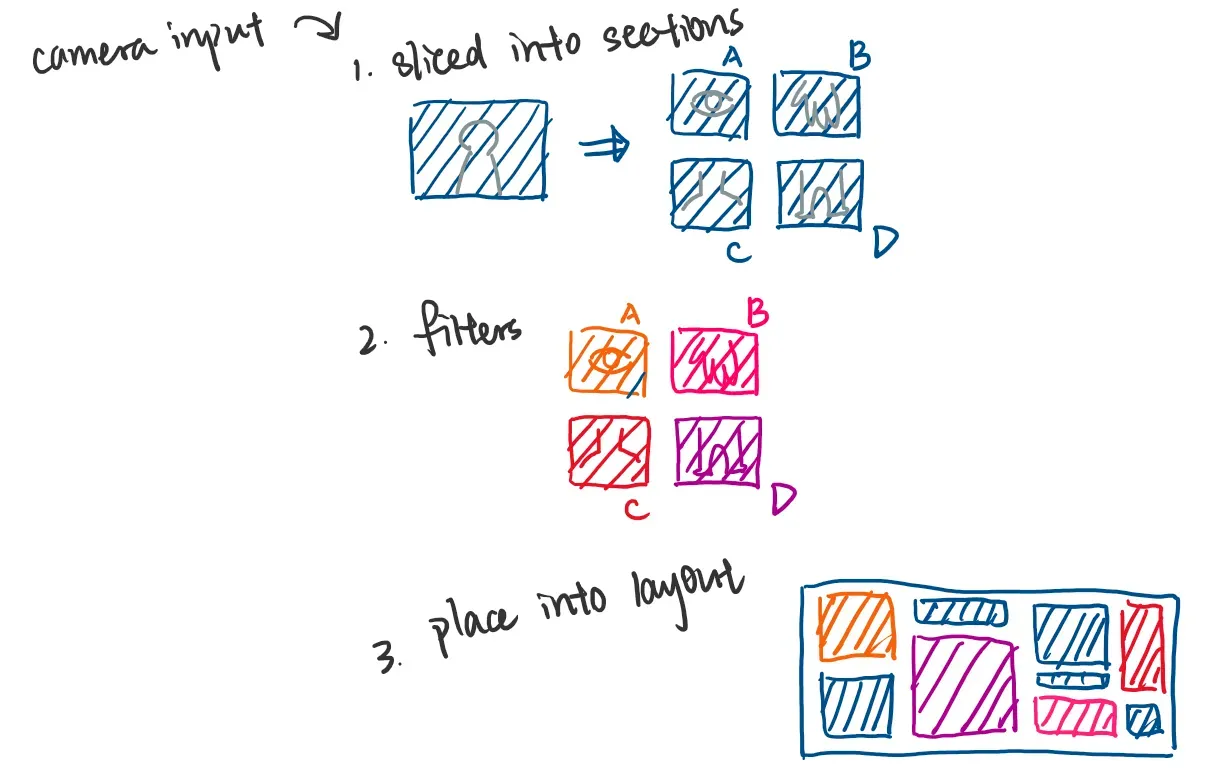
I imagine standing before a camera, watching my body split into grids, each part labeled with numeric tags: 1550+, 118, 42/45, T15.
Even the things I once did for myself—games I played, songs I listened to, creations I made—are now deemed “useful material” instead of being dismissed as “meaningless.”
Every piece of me is being segmented, analyzed, and filtered. The admissions process turns me into an experiment’s specimen.
If every part of my self has become application material, what remains of my existence? Is there anything left that admissions haven’t taken?

The admissions process is like trying to decode all the potential seeds in a computer’s pseudo-random system, striving to max out every variable to control the probabilities of randomness.
Thinking of admissions as “attempting to decode the pseudo-random system of a computer,” I feel the cold logic of algorithms. An invisible program analyzes, optimizes, predicts—and I strive to manipulate it, even adding dimensions to it.
Randomness is uncontrollable, but admissions compel me to pretend otherwise. Who I am no longer feels like my decision.
3. Mediums
Initial idea: Use a camera to capture the audience’s body, divide it into grids using a Bento Grid, and apply pixel filters. Each grid displays different content (real-time imagery, jumping numbers, or keywords).
Bento Grid
- Implemented using CSS flexbox (after many experiments, this is the simplest method).
- Neatly arranged grids, with each grid representing a “self-container.”
- When the audience steps in front of the work, their body is divided into sections, with each placed in a grid.
- Some grids display real-time imagery, while others show jumping data or keywords.
- Each grid represents a fragmented aspect of the self in the admissions process (e.g., grades, potential, leadership).
Filters
- Apply varying levels of pixelization to body parts to simulate abstraction and reduction through data.
Text, Numbers, and Other Dashboard Elements
- Numerical content
- Admissions-related data: IB scores (?/45), AP scores (?/5), SAT scores (1600/1500/1550+), TOEFL scores (?/120).
- College labels: T30, T15, T50, safety, target, reach.
- Pie charts: Personal development, leadership, creativity, etc.
- Possibly incorporate diary quotes.
Interactions
- Audience movements (e.g., shifts, pauses) affect the grid’s content. Plan to use ML5 bodypose to track positions and influence visuals.
- Breakdown feature: If the same user remains for too long, some grids disappear, leaving blank spaces; others start repeating or randomizing content, symbolizing the collapse of order. Eventually, the Bento Grid fully deconstructs. After a brief “reset,” the screen returns to its initial state, waiting for the next audience member.
This creates a breakdown both visually and emotionally.